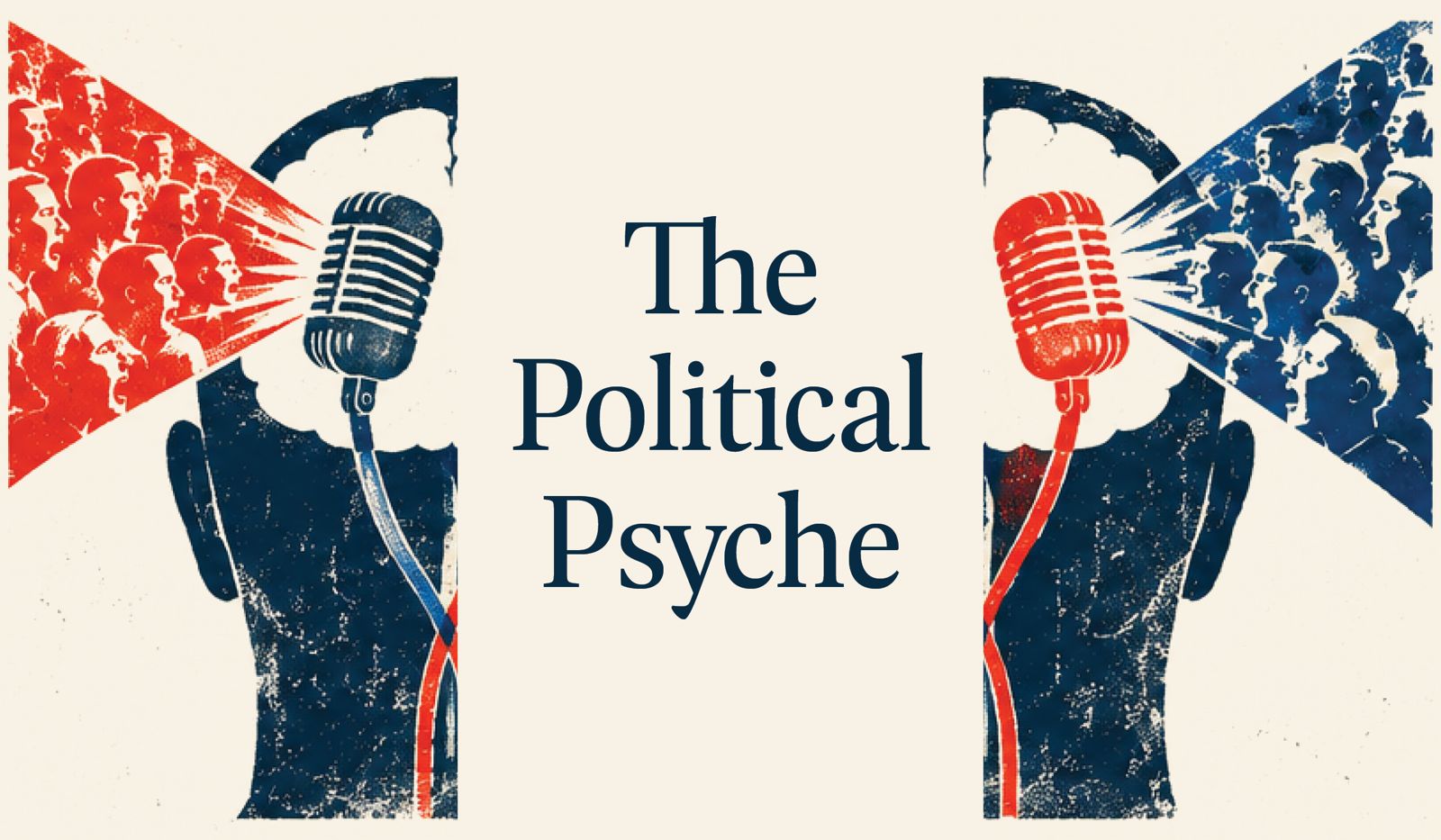
From a Jungian perspective, this raises difficult questions.
What do we project into our political life?
What happens to the shadow when another group, ideology, or nation carries it?
Why do political leaders become objects of such intense idealisation and hatred?
What is the relationship between our personal psychology and our political convictions?
And can greater psychological awareness make any meaningful contribution to political life?
Over two live seminars, we will approach these questions from different but complementary perspectives. We will combine presentations, discussion, and an experiential workshop exploring the relationship between psyche and politics. The purpose of the weekend is not to tell participants what to think politically. It is to create an opportunity to think psychologically about politics.
Expect a thoughtful, atmospheric discussion of psychological insight, reflection, conversation, and meaningful exploration in an intimate setting.
No prior knowledge of Jungian psychology is
required.
For more information email info@appliedjung.com.
24 October 2026
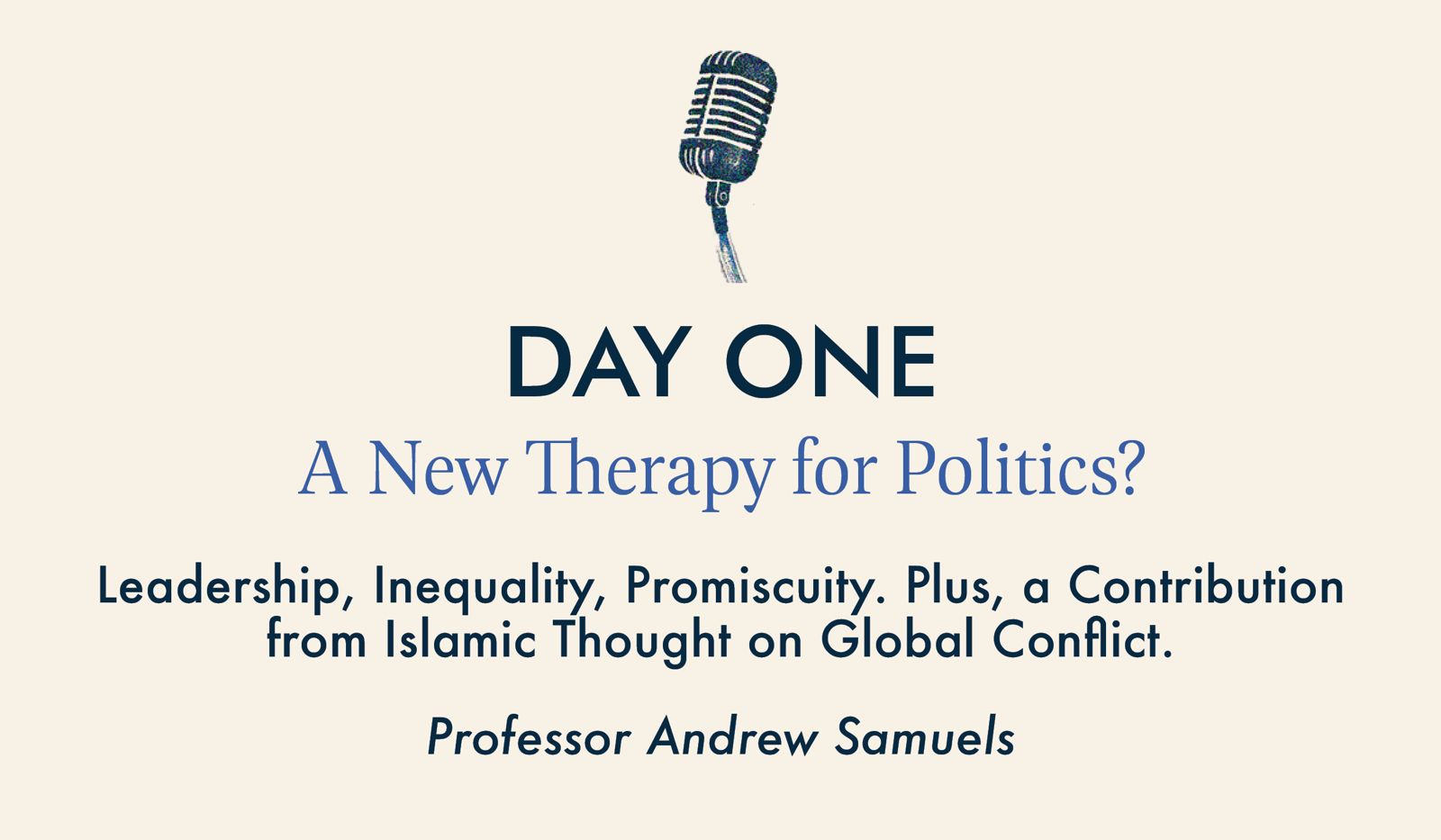
Drawing on his work as a political consultant, his engagement with politicians and activist groups, and more than three decades of writing on the political psyche, Andrew will consider questions of leadership, inequality and political change, as well as the perhaps unexpected relationship between transformations in our intimate lives and transformations in our political imagination.
Andrew describes himself as both an enthusiast and a sceptic about what therapy can offer politics. The seminar will therefore not attempt to provide a psychological explanation of current political events, but will ask the more fundamental question: what, if anything, can psychological thinking contribute to the politics of a suffering and unequal world?
25 October 2026
Beginning with Jung's understanding of the relationship between individual and collective life, we will explore the psychological dynamics through which political figures and movements acquire their extraordinary emotional power.
Film will inspire our analysis. Alexander Payne's darkly comic Election reduces democratic politics to the intensely personal world of a high school election, while Kevin Rafferty and James Ridgeway's documentary Feed catches American political candidates in the unguarded moments before their public performances begin.
Both invite us to consider the distance between political persona and person—and the psychological dramas taking place beneath political performance. And perhaps, to entertain Jung’s hypothesis, before we inquire what might be wrong with our politics, consider what our politics might be revealing about us?
Date: Saturday 24th and Sunday 25th of October 2026
Seminar Duration: 2 hours each
Starts:
3:30 PM London (24th) and 2:30 PM (25th)
10:30 AM NYC (both days)
*Daylight savings affects London
These seminars will be recorded for students who are unable to attend live.
Registration
Purchase these seminars on or before the 15th of October and pay only $75!
Seminar Presenters
Please find your joining details for both sessions below:
Joining Details
Day One: A New Therapy for Politics - 24 October, 2026 15:30 PM London; 10:30 AM New York; 16:30 PM Johannesburg
Day Two: Jung, Politics, and the Personal - 25 October, 2026 14:30 PM London; 10:30 AM New York; 16:30 PM Johannesburg
Join Zoom Meeting:
https://us02web.zoom.us/j/82609145393?pwd=YZT5ehykinThtVni7MiaaIrfmgQmU2.1
Meeting ID: 826 0914 5393
Passcode: 452071
If uncertain of the time in your area, please check https://www.worldtimebuddy.com/.
Please note that a recording of each session will be made available within 48 hours of the live session.
Join Our Newsletter
Explore
About the Centre
Site Design by Sean Corey.